

Electric vehicles are no longer just a niche product but they're rapidly becoming a mainstream choice in many countries. At EcoFleet, we support the transition to eco-friendly vehicles, and the surge in electric car sales is a promising sign. Today, let’s explore the factors driving this growth and how electric vehicles (EVs) are gaining traction in both major and emerging markets.
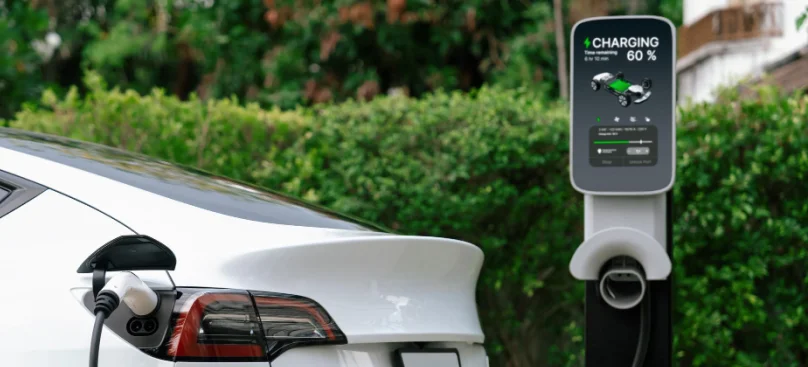
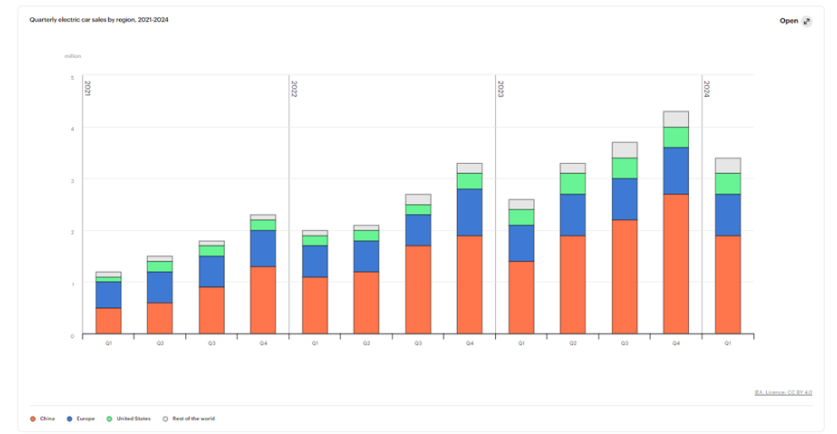
Electric Vehicle sales are on the rise, with expectations that they could reach around 17 million in 2024. This would account for more than one in five cars sold worldwide. Despite concerns about high inflation and fluctuating battery metal prices, the data shows strong global sales. In the first quarter of 2024, electric car sales grew by about 25% compared to the same period in 2023. This consistent growth indicates a robust market.
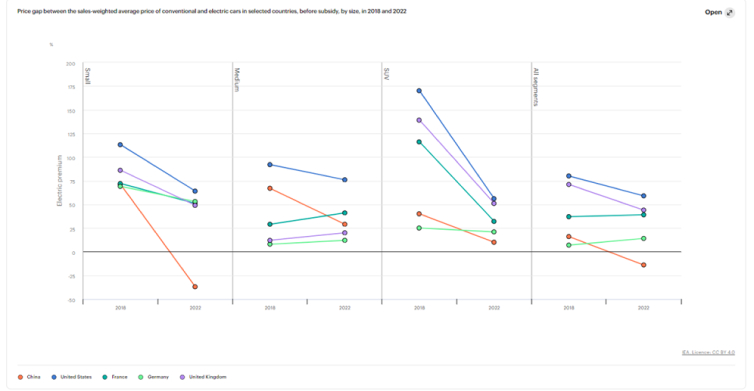
While electric vehicles are getting cheaper, they still remain more expensive than internal combustion engine vehicles in some markets. The pricing strategies of manufacturers and the pace of battery price declines will be crucial for improving affordability. Technological innovations, such as the development of sodium-ion batteries, could further reduce costs.
Government policies and incentives play a crucial role in promoting electric vehicles. Purchase subsidies, tax breaks, and incentives for EV and battery manufacturing are common in many countries. For example, India's Production Linked Incentives (PLI) Scheme supports domestic manufacturing, while the US Inflation Reduction Act (IRA) stimulates EV supply chains in Mexico.
Electric car sales are also picking up in emerging economies. In 2023, countries like Vietnam and Thailand saw significant growth in EV adoption. Affordable models from Chinese manufacturers are particularly popular in these markets. In India, electric two- and three-wheelers are becoming increasingly common, improving air quality and reducing emissions.
The market share of electric cars varies significantly by region. In 2024, it's expected to reach up to 45% in China, 25% in Europe, and over 11% in the United States. This expansion is supported by competition among manufacturers, falling battery and car prices, and ongoing policy support.
The rapid uptake of electric vehicles has significant environmental benefits. By 2030, almost one in three cars in China could be electric, reducing the demand for oil by 6 million barrels per day. This shift helps combat climate change and improves air quality in urban areas
The future looks bright for electric vehicles. If current trends continue, every other car sold globally by 2035 could be electric. This transition will require substantial investments in EV supply chains and infrastructure, including public charging stations and battery recycling facilities.
The surge in electric car sales is a positive development for both the environment and the economy. As electric vehicles become more affordable and accessible, we can expect continued growth in this sector. At EcoFleet, we are committed to supporting commercial transport companies in making the transition to eco-friendly fleets. Together, we can drive the change towards a cleaner, greener future.
For more information on how to transition your fleet to eco-friendly vehicles, feel free to contact us. Let's embrace the future of transportation and make a positive impact on our world.
Credits: https://www.iea.org/reports/global-ev-outlook-2024/executive-summary
Copyrights (c) 2024 | Eco Fleet Dubai | RTA Dubai